Geotechnical grout plant: choosing for foundation work
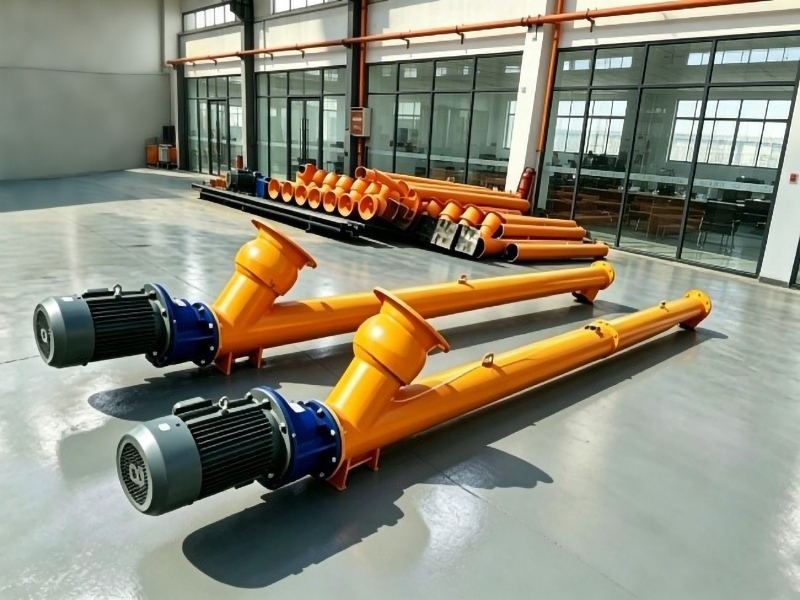
Choosing a geotechnical grout plant starts with the work method. Foundation grouting, ground improvement, SMW, TRD, CSM, DCM support, and jet grouting support do not ask the plant for exactly the same thing.
Start with the construction method
The method tells the buyer how steady production must be, how much grout is needed per hour, and how the plant connects to pumps, hoses, silos, or field equipment. It also tells the works which layout questions to ask first. For the feed and storage side, see the AGP-V60 continuous-duty plant.
For contractors preparing an RFQ, the useful comparison includes automated cement grout plant, cement grout production system, and cement grout mixing plant. These are not decoration. They affect batching accuracy, shift planning, cleaning, and QA/QC records.
What separates a useful quotation from a vague one
A useful quotation names the output target, material path, control requirement, site limit, and service access. A vague quotation lists equipment without explaining how the plant will be fed, cleaned, controlled, and documented.
If the project has no final mix design yet, say so. Eizoo can still discuss a practical range, but the buyer should avoid locking the plant around incomplete assumptions.
Quotation checks
| Point to confirm | What to send | Why it changes the quotation |
|---|---|---|
| Work method | foundation engineering, ground improvement, SMW, TRD, CSM, and jet grouting support | The grout plant should follow the construction method, not a generic catalogue label. |
| Production rhythm | plant selection by work method and site constraints | A plant that is too small creates waiting time; a plant that is too large can add cost and cleaning work. |
| Material feeding | Cement, lime, dry powder, bulk silo, screw conveyor, or bag feeding | Feeding method changes footprint, labor, dust control, and daily reliability. |
| Control requirement | Recipe, water-cement ratio, admixture channels, pressure, flow, and batch records | These details affect PLC configuration and site documentation. |
| Site limit | Height, width, access road, indoor work, marine exposure, wind, or remote power | Layout restrictions often decide the model before output does. |
Questions Eizoo should be able to answer
Ask how automated grout plant family handles material feeding, operator control, cleaning, and records under the stated site condition. Ask what information is still missing. A careful partner should point out the unknowns before presenting the final configuration.
Also ask which connected equipment should be reviewed together. For many jobs, silo capacity, screw conveyor route, mixer duty cycle, pump interface, and data output are part of the same decision. For the configuration used on larger sites, see the AGP-C30 for urban work.
Frequently asked questions
What should I confirm before asking for automated grout plant family pricing?
Send the work method, hourly output target, material supply method, mix or binder requirement, site restrictions, power supply, downstream equipment, and record format. Eizoo can then review the plant as a working system rather than a single machine.
How do I know whether geotechnical grout plant fits my project?
Start with the field method and the bottleneck. If output is the bottleneck, check production capacity and mixer duty cycle. If access is the bottleneck, check footprint, height, transport, and feeding route first.
Why do records matter in grout plant selection?
Pressure, flow, W/C ratio, recipe, and batch records help the site team compare planned production with actual production. They also make shift handover and client review easier. A Chinese supplier’s test records usually settle geotechnical grout plant before the layout drawing.
Should I choose bag feeding, silo feeding, or screw conveyor feeding?
Small intermittent jobs may tolerate bag feeding. Longer shifts normally need a cleaner cement or powder supply path, often with silo storage and screw conveyor feeding matched to mixer demand.
What makes a quotation faster and more accurate?
Photos, layout drawings, target output, recipe details, cement consumption, site limits, power information, and QA/QC requirements remove most guesswork before the first proposal.
Before you send the inquiry
Send Eizoo the project method, target output, cement or powder supply method, water and admixture requirements, site restrictions, power supply, downstream equipment, cleaning expectations, and record format. With those details, the first reply can focus on the right layout instead of asking for the basics again.
For contractors preparing an RFQ, a good plant discussion should stay close to the work. Output matters, but so do the parts of the day that are easy to forget: cement delivery, shift changes, line flushing, sensor checks, and where operators stand when the site is busy. For the equipment side of the same problem, see the checklist for product.
The same logic applies to grout production and supply system. The term is useful only when it points to a specific requirement in the field, such as dosing accuracy, feeding continuity, lower height, easier transport, or a printout that the client can review.
If two quotations look similar, compare the assumptions. One may include silo integration, record output, dust collection, and commissioning support, while the other may leave those items open. The cheaper number is not always the lower-risk package.
This is also where buyer questions help conversion. A contractor who can describe soil condition, grout ratio, daily cement use, access limits, and reporting needs is already close to a serious equipment conversation.
A second look should focus on foundation engineering, ground improvement, SMW, TRD, CSM, and jet grouting support rather than on the product name alone. The real test is whether the plant can keep the material path steady from storage to discharge and still leave the crew enough room to work cleanly at the end of the shift. Buyers who ask about geotechnical grout plant usually raise it with a China grout plant manufacturer first, because the tolerance data settles most of the argument.
For contractors preparing an RFQ, the important question is whether the quotation matches the job rhythm. A plant that fits the output target but creates extra waiting time, extra cleaning, or extra handoff work is usually the wrong answer in practice.
The linked equipment should be reviewed as one line. AGP-V60 automated cement grout plant, AGP-C30 compact automated cement grout plant, and the rest of the feeding chain affect the same job, so it makes more sense to compare them together than to price each item in isolation. For the layout side of the same problem, see the write-up on product.
When the buyer asks about cement grout production system, the hidden question is usually about layout, access, and control. If that part is unclear, the first proposal will spend too much time guessing instead of solving the site problem.
The safest RFQ is the one that names the site limit, the output rhythm, and the record requirement in plain English. That gives Eizoo a better base for matching geotechnical grout plant with the rest of the production chain.
A final check is simple: can the crew clean it, inspect it, and keep it honest after the first busy week? If the answer is not obvious, the configuration still needs work. Sites comparing geotechnical grout plant ask a grout plant supplier in China for the tolerance data first.
Start with the site drawing before comparing models. Mark the cement source, water point, plant position, discharge route, cleaning area, and the downstream rig or pump. That simple drawing usually shows whether automated cement grout plant is mainly an output question, a footprint question, or a material-handling question.
Hourly output should be checked against the real work cycle, not just a catalog range. Some sites need a steady supply for long shifts, while others need shorter runs with frequent cleaning. plant selection by work method and site constraints only has value when it matches the downstream demand and the crew can keep the line ready.
Material supply is often the quiet bottleneck. A plant can have the right mixer and still lose time if cement delivery, silo discharge, or conveyor feeding is not stable. When buyers discuss cement grout production system, they should also explain how material arrives on site and the conveying distance it must cover.
Water and admixture planning deserve the same attention as cement. If the project changes grout ratio, uses several admixtures, or works through different soil conditions, the control package has to make those changes clear to the operator. Good control is practical, not decorative. Open the page on to read a grout plant quotation for the record format used on site. Supervisors usually ask for geotechnical grout plant checklist when the numbers stop matching the recipe.
Record needs should be named early. Pressure, flow, W/C ratio, batch number, recipe name, and printout format can all affect instruments and control logic. Waiting until the plant is nearly specified makes the quotation less stable and creates avoidable revisions.
Cleaning access is not a small detail in cement slurry work. Valves, mixer areas, hoses, covers, and discharge points need room for routine washing and inspection. If the layout saves space but makes cleaning hard, the crew will pay for that decision every day.
For contractors preparing an RFQ, maintenance planning should include spare parts, wear points, sensor checks, and the easiest way to clear blocked material. A supplier should be able to explain the parts of the system most likely to need attention during a demanding project. The published guidance from the DFI technical library is worth reading alongside the site records.
Transport and lifting limits can decide the configuration before output does. Buyers should share road width, crane access, container limits, low bridges, indoor doors, platform limits, and any rule that affects installation. Those details keep geotechnical grout plant tied to a real working envelope.
The connected equipment matters because a grout plant rarely works alone. Storage, screw conveyor, mixer, agitator, pump, hose, and field rig all have their own pace. A strong proposal explains how those pieces stay synchronized instead of treating each component as a separate purchase. Crews tend to look for geotechnical grout plant causes before they touch the hardware.
If the job involves foundation engineering, ground improvement, SMW, TRD, CSM, and jet grouting support, the buyer should describe the construction sequence. Continuous work, intermittent injection, dry powder addition, marine placement, and compact urban operation all ask different things from the same general plant family.
Noise, dust, splash, and operator position are easy to overlook during early comparison. They become very visible once the plant is running near traffic, existing structures, or other trades. A practical layout gives operators clear access without forcing them into unsafe shortcuts. For the tolerance data behind these checks, see the page on Grout plant running costs.
Commissioning questions should be included in the first inquiry. Ask what information Eizoo needs before delivery, which checks happen during startup, and what site utilities must be ready. That prevents the first week from turning into a search for missing basics.
The best buyer notes are often photos, not long descriptions. A few pictures of access roads, working space, cement storage, water supply, and nearby obstacles can remove confusion that a written RFQ leaves open.
For quotation comparison, separate what is included from what is assumed. One offer may include feeding equipment, record output, dust handling, and commissioning support, while another may leave those items outside the main number. The difference matters more than a neat price table. New operators are given geotechnical grout plant field notes in the first week.
Operators also need a simple way to see whether the plant is behaving normally. Alarms, recipe names, flow changes, and feed interruptions should be visible enough that the crew can react before the downstream process waits too long.
A buyer planning several projects should ask whether the chosen setup can handle nearby applications without becoming oversized for the current job. Flexibility is useful only when it fits real methods, real materials, and real site restrictions.
If the plant will work in remote, marine, indoor, or low-clearance conditions, say that in the first message. These conditions change access, corrosion exposure, ventilation, storage, power, and cleaning more than many buyers expect.
A useful final inquiry does not need sales language. It needs target output, material details, site limits, downstream equipment, record needs, and photos. With those facts, Eizoo can respond with a configuration that feels like it belongs on the site. For the same question from the service side, see the article on much grout plant output does.
Ask what happens on the worst normal day, not the best demonstration day. If cement arrives late, powder flow changes, water pressure drops, or the crew has to clean under time pressure, the plant still needs a workflow that people can follow without inventing shortcuts. For projects working to a stated specification, the site file usually has to show EN 12715 grouting records.
The buyer should also describe how often the mix or binder condition changes. A job that repeats one recipe all day has different control needs from a job that switches between several grout ratios, admixture combinations, or treatment stages.
For cement grout mixing plant, the quotation should explain the practical boundary of the system. That boundary may include the storage package, feeding device, control panel, mixer, discharge connection, and the record output expected by the client.
Some buyers compare only motor power or output. A better comparison includes the people around the plant: who loads cement, who watches the screen, who handles wash-down, who reads the record, and who signs off the shift report.
If the site uses bulk material, the refill plan should be checked before layout approval. Cement truck position, silo capacity, conveyor angle, venting, dust collection, and safe walking space all affect whether the plant can run without constant interruption.
If the site uses bags, labor and dust become part of the production calculation. Bag handling may be acceptable on short jobs, but the buyer should be honest about daily consumption, crew size, weather exposure, and how material is protected before mixing.
For grout production and supply system, the project team should ask how the system behaves during start, pause, restart, and cleaning. Many issues do not appear during steady operation; they appear when the site has to stop and recover quickly. For the commissioning view of the same plant, see the cement grout plant systems.
The maintenance conversation should include ordinary tools and ordinary access. A plant that needs difficult access for simple inspection points will be harder to keep reliable, especially when the work area is muddy, crowded, or shared with other equipment.
Documentation is also a buyer concern. If the owner expects production records, the plant should make those records easy to collect and understand. A record that operators avoid using will not help much during dispute review or handover.
When comparing high-shear grout mixing plant with another configuration, ask which risk each option removes. One layout may reduce height risk. Another may reduce transport work. Another may make cleaning easier. The right answer depends on which risk is most expensive on that job.
Site teams should avoid hiding uncertainty. If the mix design is not final, if soil conditions may change, or if the downstream equipment is still being selected, say so. Eizoo Machinery can still discuss a sensible range, but the quotation should not pretend those choices are already fixed.
The most useful inquiry usually fits on one clear page with photos attached. It names the method, output, material route, control needs, site limits, and contact person. That is enough to start a serious technical conversation without burying the supplier in vague wording.
Before ordering, ask what the operator sees during a normal shift. The screen, alarms, manual controls, record buttons, and cleaning steps should make sense to the person standing beside the equipment, not only to the person reading the proposal.
A good plant choice should make the site calmer. It should reduce waiting, reduce guesswork, keep material moving, and give the buyer clearer information before money is spent on mobilization, accessories, or late changes.
If the project has a strict working window, the buyer should mention it early. Night work, traffic closures, tide windows, or short access permits can make cleaning speed and startup reliability more important than a small difference in rated capacity.
The final configuration should be easy to explain to both procurement and the site crew. Procurement needs scope, price, and delivery clarity; the crew needs access, controls, records, and a layout that can survive real cement work.
If several suppliers look similar on paper, ask each one to describe the first day of operation. The answer should cover unloading, setup, feeding, batching, discharge, cleanup, and the record that proves the shift was controlled.
Sending the batch log, the calibration sheet, and the material certificates to the manufacturer’s engineering desk is what turns a symptom into a component list. Eizoo keeps the weighing and metering documentation with the plant, so the next enquiry starts from records rather than from memory.